One Moon.
So many shapes!
The Moon doesn’t make its own light. It catches a little sunshine for us.
Move the Moon until the garden window shows a full circle.
Tap a planet or its name to discover a fact • Sizes and distances are not to scale
Take the Moon for a wander
Move it around Earth. Watch its shape change!
Find a round Moon
Move the Moon until the garden window shows a full circle.
Take your time. You can try as many times as you like.
 Looking at the Moon
First quarter
This is the Moon’s shape seen from Earth. It can also be visible in daytime.
My Moon notebook
Look outside with a grown-up. Move the Moon above to match what you saw, then save its picture.
Your observations stay on this device. Cloudy tonight? You can leave a blank.
See how the pattern repeats
A Moon cycle takes about 29½ days. Compare this example with your own pictures.
Moon phases explained by NASAMoon phase reference gallery
Browse reference pictures of every phase. This gallery is separate from the moving Moon model above.
New Moon
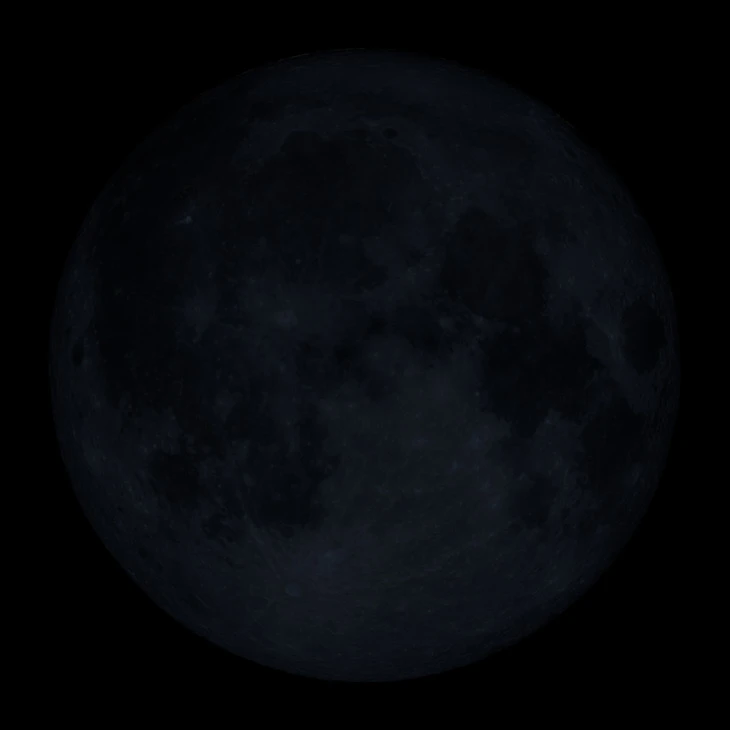
The sunlit half faces away from us, so the Moon is almost invisible in our sky.
NASA visualization · real Moon surface dataMade from lunar images and height measurements. North is up here; the Moon may look tilted in your sky.Image credit: NASA Scientific Visualization Studio / Ernie Wright · View originalHalf the Moon is always lit by the Sun. As the Moon goes around Earth, we see different amounts of that bright half. These are Moon phases—not Earth’s shadow.